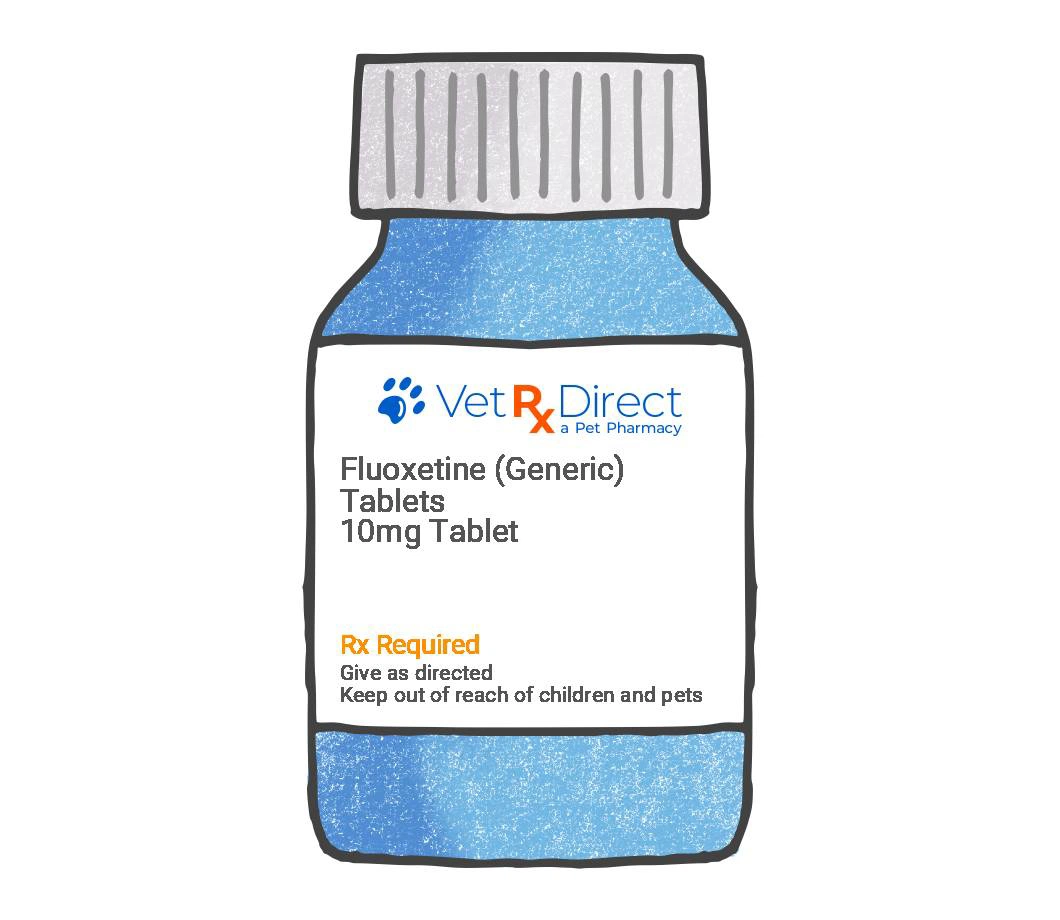
Fluoxetine is a prescription medicine used to treat major depressive
disorder, bulimia nervosa (an eating disorder), obsessive-compulsive
disorder, panic disorder, and premenstrual dysphoric disorder (PMDD).
Fluoxetine is a selective serotonin reuptake inhibitor (SSRI)
antidepressant. Fluoxetine inhibits the uptake of serotonin by a nerve
cells (neurons) and helps people with depression, panic, anxiety, or
obsessive-compulsive symptoms.
Dosage and direction Take fluoxetine exactly as prescribed by your doctor. Swallow the
delayed-release capsule whole and do not crush, chew, break, or open it.
Do not stop using fluoxetine suddenly, or you could have unpleasant
withdrawal symptoms. Ask your doctor how to safely stop using
fluoxetine.
Precautions Tell your doctor about all other antidepressants you take,
especially Celexa, Cymbalta, Desyrel, Effexor, Lexapro, Luvox, Oleptro,
Paxil, Pexeva, Symbyax, Viibryd, or Zoloft.
To make sure fluoxetine is safe for you, tell your doctor if you
have ever had: cirrhosis of the liver; urination problems; diabetes;
narrow-angle glaucoma; seizures or epilepsy; sexual problems; bipolar
disorder (manic depression); drug abuse or suicidal thoughts; or
electroconvulsive therapy (ECT).
Ask your doctor about taking fluoxetine if you are pregnant. Taking
an SSRI antidepressant during late pregnancy may cause serious medical
complications in the baby.
If you are breastfeeding, tell your doctor if you notice agitation,
fussiness, feeding problems, or poor weight gain in the nursing baby.
Contraindications You should not use this medicine if you are allergic to fluoxetine, if you also take pimozide or thioridazine.
Do not use fluoxetine if you have used an MAO inhibitor in the past
14 days. A dangerous drug interaction could occur. MAO inhibitors
include isocarboxazid, linezolid, methylene blue injection, phenelzine,
rasagiline, selegiline, and tranylcypromine. You must wait at least 14
days after stopping an MAO inhibitor before you take fluoxetine. You
must wait 5 weeks after stopping fluoxetine before you can take
thioridazine or an MAOI.
Report any new or worsening symptoms to your doctor, such as: mood
or behavior changes, anxiety, panic attacks, trouble sleeping, or if you
feel impulsive, irritable, agitated, hostile, aggressive, restless,
hyperactive (mentally or physically), more depressed, or have thoughts
about suicide or hurting yourself.
Drinking alcohol can increase certain side effects of fluoxetine.
Possible side effect Get emergency medical help if you have signs of an allergic
reaction to fluoxetine (hives, difficult breathing, swelling in your
face or throat) or a severe skin reaction (fever, sore throat, burning
eyes, skin pain, red or purple skin rash with blistering and peeling).
Fluoxetine may cause serious side effects. Call your doctor at once
if you have: blurred vision, tunnel vision, eye pain or swelling, or
seeing halos around lights; fast or pounding heartbeats, fluttering in
your chest, shortness of breath, and sudden dizziness (like you might
pass out); low levels of sodium in the body - headache, confusion,
slurred speech, severe weakness, vomiting, loss of coordination, feeling
unsteady; or severe nervous system reaction - very stiff (rigid)
muscles, high fever, sweating, confusion, fast or uneven heartbeats,
tremors, feeling like you might pass out.
Seek medical attention right away if you have symptoms of serotonin
syndrome, such as: agitation, hallucinations, fever, sweating,
shivering, fast heart rate, muscle stiffness, twitching, loss of
coordination, nausea, vomiting, or diarrhea.
Common fluoxetine side effects may include: sleep problems
(insomnia), strange dreams; headache, dizziness, drowsiness, vision
changes; tremors or shaking, feeling anxious or nervous; pain, weakness,
yawning, tired feeling; upset stomach, loss of appetite, nausea,
vomiting, diarrhea; dry mouth, sweating, hot flashes; changes in weight
or appetite; stuffy nose, sinus pain, sore throat, flu symptoms; or
decreased sex drive, impotence, or difficulty having an orgasm.
Drug interaction Fluoxetine can cause a serious heart problem. Your risk may be
higher if you also use certain other medicines for infections, asthma,
heart problems, high blood pressure, depression, mental illness, cancer,
malaria, or HIV.
Using fluoxetine with other drugs that make you drowsy can worsen
this effect. Ask your doctor before using opioid medication, a sleeping
pill, a muscle relaxer, or medicine for anxiety or seizures.
Ask your doctor before taking a nonsteroidal anti-inflammatory drug
(NSAID) such as aspirin, ibuprofen (Advil, Motrin), naproxen (Aleve),
celecoxib (Celebrex), diclofenac, indomethacin, meloxicam, and others.
Using an NSAID with fluoxetine may cause you to bruise or bleed easily.
Tell your doctor about all your current medicines. Many drugs can
affect fluoxetine, especially: any other antidepressant; St. John's
Wort; tryptophan (sometimes called L-tryptophan); a blood thinner -
warfarin, Coumadin, Jantoven; medicine to treat anxiety, mood disorders,
thought disorders, or mental illness - amitriptyline, buspirone,
desipramine, lithium, nortriptyline, and many others; medicine to treat
ADHD or narcolepsy - Adderall, Concerta, Ritalin, Vyvanse, Zenzedi, and
others; migraine headache medicine - rizatriptan, sumatriptan,
zolmitriptan, and others; or narcotic pain medicine - fentanyl,
tramadol.
Missed dose Take the medicine as soon as you can, but skip the missed dose if
it is almost time for your next dose. Do not take two doses at one time.
Overdose Seek emergency medical attention.
Storage Store at room temperature away from moisture and heat, away from children and pets.