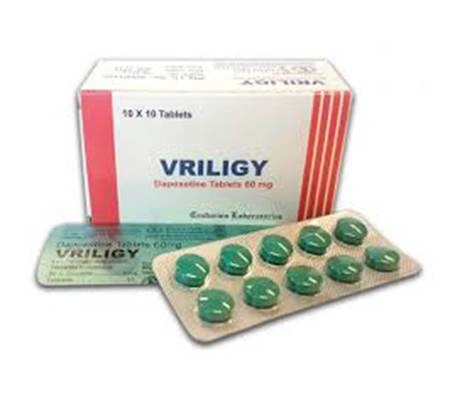
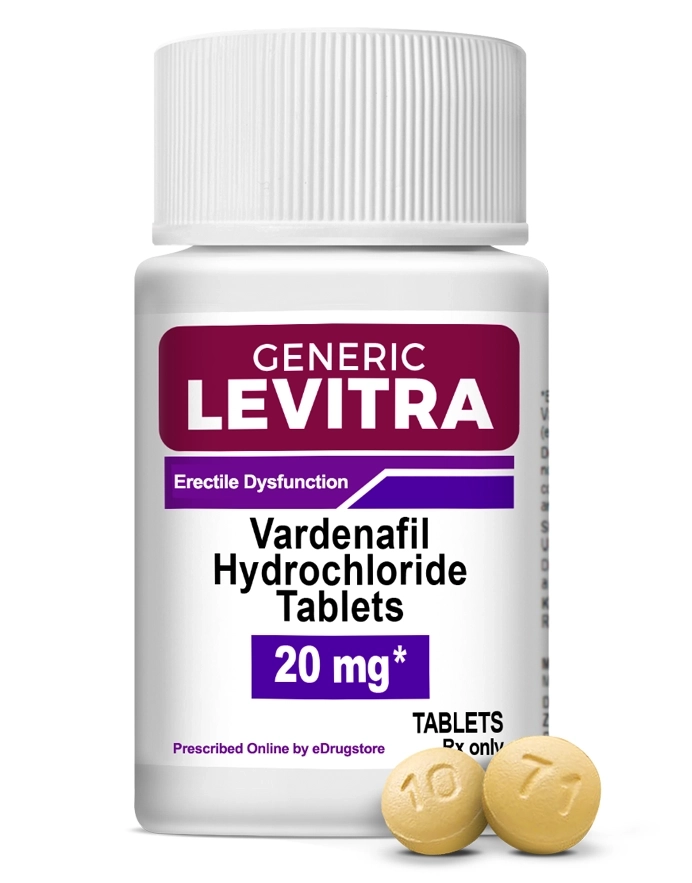
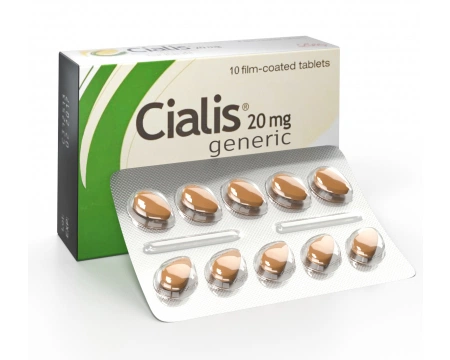
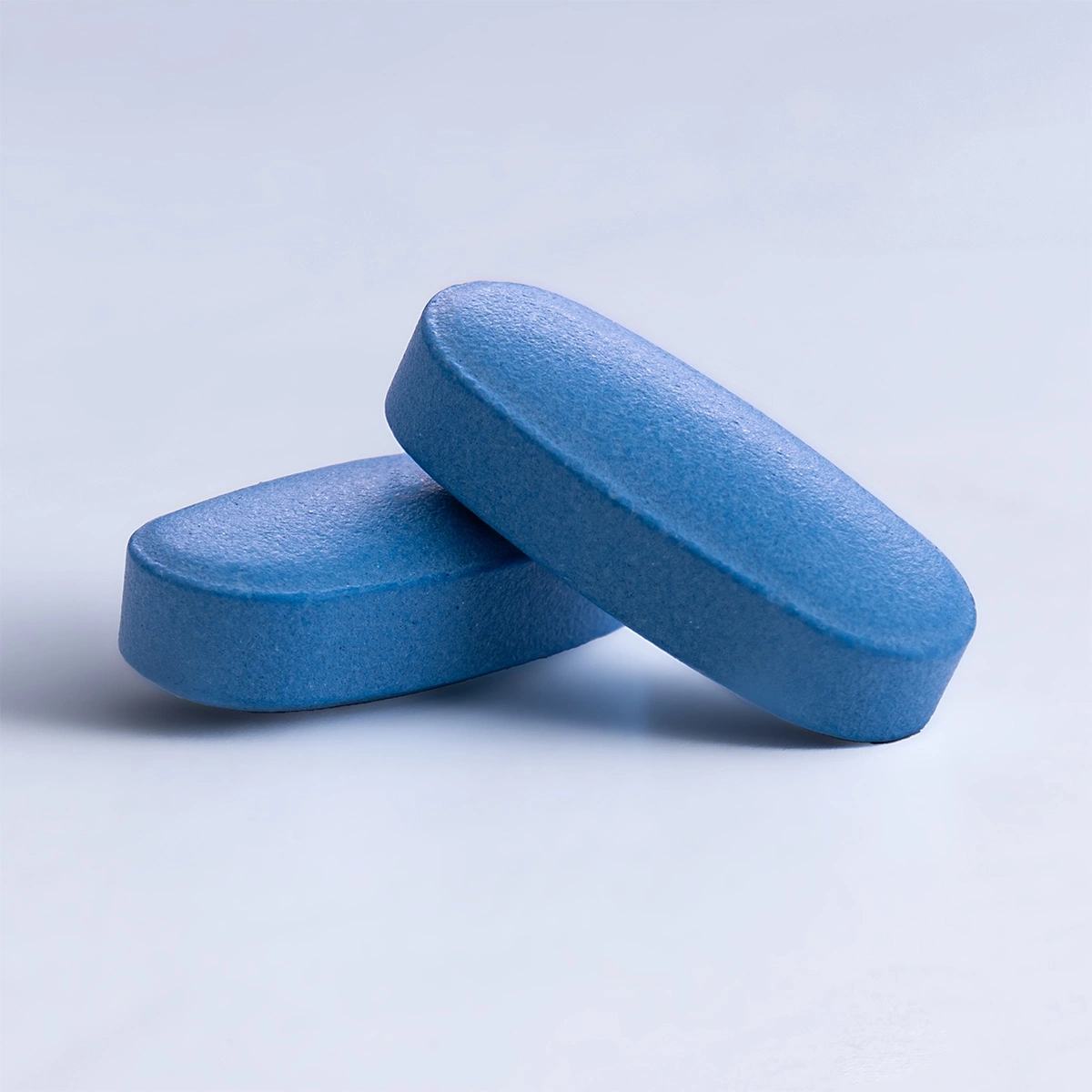
VARDENAFIL is used to treat erection problems in men. Vardenafil works
faster than Sildenafil (Viagra®) and it is less likely to have visual
disturbance side effect.
What should I tell my health care provider before I take this medicine?They need to know if you have any of these conditions:
- anatomical deformity of the penis, Peyronie's disease, or ever had an erection that lasted more than 4 hours
- bleeding disorder
- cancer
- diabetes
- frequent heartburn or gastroesophageal reflux disease (GERD)
- heart disease, angina, high or low blood pressure, a history of heart attack, or other heart problems
- high cholesterol
- HIV infection
- kidney disease
- liver disease
- sickle cell disease
- stroke
- stomach or intestinal ulcers
- eye or vision problems
- an unusual reaction to vardenafil, medicines, foods, dyes, or preservatives
How should this medicine be used?Take
vardenafil tablets by mouth with or without food. The dose is usually
taken about 1 hour before sexual activity. Swallow the tablets with a
drink of water. Do not take double or extra doses.
Overdosage: If you think you have taken too much of this medicine contact a poison control center or emergency room at once.
NOTE: This medicine is only for you. Do not share this medicine with others.
What if I miss a dose?This does not apply. However, do not take double or extra doses.
What may interact with this medicine?Do not take vardenafil if you are taking the following medications:
nitroglycerin-type
drugs for the heart or chest pain such as amyl nitrite, isosorbide
dinitrate, isosorbide mononitrate, nitroglycerin, even if these are only
taken occasionally. This includes some recreational drugs called
'poppers' which also contain amyl nitrate and butyl nitrate.
Vardenafil may also interact with the following medications:
- alpha
blockers such as alfuzosin (UroXatral®), doxazosin (Cardura®), prazosin
(Minipress®), tamsulosin (Flomax®), or terazosin (Hytrin®), used to
treat high blood pressure or an enlarged prostate.
- arsenic trioxide
- bosentan
- certain antibiotics such as clarithromycin, erythromycin, sparfloxacin, troleandomycin
- certain medicines used for seizures such as carbamazepine, phenytoin, and phenobarbital
- certain medicines for the treatment of HIV infection or AIDS
- certain
medicines to control the heart rhythm (e.g., amiodarone, disopyramide,
dofetilide, flecainide, ibutilide, quinidine, procainamide, propafenone,
sotalol)
- chloroquine
- cisapride
- diltiazem
- grapefruit juice
- medicines for fungal infections (fluconazole, itraconazole, ketoconazole, voriconazole)
- methadone
- nicardipine
- pentamidine
- pimozide
- rifabutin, rifampin, or rifapentine
- some
medicines for treating depression or mood problems (amoxapine,
maprotiline, fluoxetine, fluvoxamine, nefazodone, pimozide,
phenothiazines, tricyclic antidepressants)
- verapamil
Tell your
prescriber or health care professional about all other medicines you
are taking, including non-prescription medicines, nutritional
supplements, or herbal products. Also tell your prescriber or health
care professional if you are a frequent user of drinks with caffeine or
alcohol, if you smoke, or if you use illegal drugs. These may affect the
way your medicine works. Check with your health care professional
before stopping or starting any of your medicines.
What should I watch for while taking this medicine?If
you notice any changes in your vision while taking this drug, notify
your prescriber or health care professional as soon as possible. Stop
using vardenafil right away if you have a loss of sight in one or both
eyes. Contact your healthcare provider immediately.
Contact your
physician immediately if the erection lasts longer than 4 hours or if it
becomes painful. This may be a sign of priapism and must be treated
immediately to prevent permanent damage.
If you experience
symptoms of nausea, dizziness, chest pain or arm pain upon initiation of
sexual activity after vardenafil use, you should refrain from further
activity and should discuss the episode with your prescriber or health
care professional as soon as possible.
Do not change the dose of
your medication. Please call your prescriber or health care professional
to determine if your dose needs to be reevaluated.
Using
vardenafil does not protect you or your partner against HIV infection
(the virus that causes AIDS) or other sexually transmitted diseases.
What side effects may I notice from this medicine?Side effects that you should report to your prescriber or health care professional as soon as possible.
- back pain
- changes in hearing such as loss of hearing or ringing in ears
- changes
in vision such as loss of vision, blurred vision, eyes being more
sensitive to light, or trouble telling the difference between blue and
green objects or objects having a blue color tinge to them
- chest pain or palpitations
- difficulty breathing, shortness of breath
- dizziness
- eyelid swelling
- muscle aches
- prolonged erection (lasting longer than 4 hours)
- skin rash, itching
- seizures
Side
effects that usually do not require medical attention (report to your
prescriber or health care professional if they continue or are
bothersome):
- flushing
- headache
- indigestion
- nausea
- stuffy nose
This list may not describe all possible side effects.
Where can I keep my medicine?Keep out of the reach of children.
Store
at room temperature between 15 and 30 degrees C (59 and 86 degrees F).
Throw away any unused medicine after the expiration date.