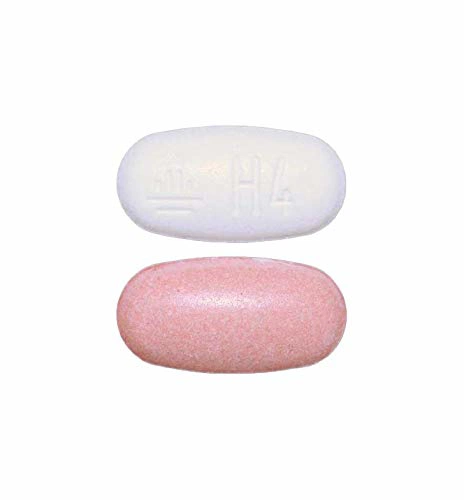
Micardis is used to treat high blood pressure (hypertension) in patients
aged 55 years and older to help lower their risk of having certain
cardiovascular problems such as stroke, heart attack, or death. Also it
is used to reduce the risk of myocardial infarction. It may be used
alone or in combination with other antihypertensive agents. Micardis
lowers blood pressure and improves blood flow. The reduced pressure in
the arteries also makes it easier for the heart to pump blood.
Dosage and direction
Take Micardis tablets exactly as it is written in prescription of your
doctor. Do not change your dose unless your doctor tells you to. Take
Micardis one time each day at the same time by mouth with or without
food. You will get the biggest benefit from this medication if you use
it regularly. Also dosage must be individualized. The dosage is based on
your medical condition and response to therapy. The usual starting dose
of Micardis tablets is 40 mg once a day. Blood pressure response is
dose-related over the range of 20-80 mg. If you have high blood
pressure, it may take 4 weeks before the full benefit of this drug
occurs. It is important to continue taking this medication even if you
feel good. Most people with high blood pressure do not feel sick.
Precautions
Before you take Micardis, tell your doctor if you have liver, kidney or
heart problems or any other medical conditions, high blood levels of
potassium, severe dehydration (and loss of electrolytes such as sodium),
if you are pregnant or are planning to become pregnant, your medical
history. Talk with your doctor about the best way to take Micardis
tablets. Tell your doctor about all the medicines you take: prescription
and non-prescription medicines, vitamins, and herbal supplements. Tell
your doctor or pharmacist if you are allergic to telmisartan; or to ACE
inhibitors (e.g., captopril, lisinopril); or if you have any other
allergies. Do not drive, use machinery, or do any activity that requires
alertness until you are sure you can perform such activities safely
because this drug may make you dizzy. Limit alcoholic beverages. You
should get up slowly when rising from a seated or lying position. Before
having surgery, tell your doctor or dentist that you are taking
Micardis .
Contraindications You
should not take Micardis if you have liver, kidney or heart desease,
high blood levels of potassium, if you are pregnant or are planning to
become pregnant.
Possible side effects
Micardis may cause serious side effects such as injury or death to your
unborn baby, low blood pressure (hypotension), swelling of your feet,
ankles, face, tongue, throat, or hands, unexplained weight gain,
difficulty breathing, sinus pain and congestion (sinusitis), back pain,
diarrhea, headache, dizziness, asthenia, coughing, nausea, fatigue,
weakness, edema, face edema, lower limb edema, hypersensitivity,
erythema, chest pain, atrial fibrillation, congestive heart failure,
myocardial infarction, blood pressure increased, hypertension
aggravated, hypotension (including postural hypotension), hyperkalemia,
syncope, dyspepsia, pain, urinary tract infection, erectile dysfunction,
abdominal pain, muscle cramps (including leg cramps). Tell your doctor
if you have any side effect that bothers you or that does not go away.
Call your doctor for medical advice about side effects.
Drug interactions
Drug interactions can occur if you take medicines such as diuretics or
digoxin with Micardis. Some interactions may significantly increase the
drug levels in your blood, while others may decrease your blood pressure
too much or cause your body to metabolize the medicines differently
than intended. Other medicines that may potentially cause Micardis drug
interactions include potassium-sparing diuretics and potassium
supplements. You should talk with your pharmacist or healthcare provider
about specific drug interactions with Micardis that may apply to you.
Missed dose
If you miss a dose, take it as soon as you remember. If it is close to
your next dose, do not take the missed dose. Take the next dose at your
regular time.
Overdose If you take too much Micardis, call your doctor, or go to the nearest hospital emergency room right away.
Storage Store at 25°C (77°F); excursions permitted to 15°-30°C (59°-86°F).
Disclaimer
We provide only general information about medications which does not
cover all directions, possible drug integrations, or precautions.
Information at the site cannot be used for self-treatment and
self-diagnosis. Any specific instructions for a particular patient
should be agreed with your health care adviser or doctor in charge of
the case. We disclaim reliability of this information and mistakes it
could contain. We are not responsible for any direct, indirect, special
or other indirect damage as a result of any use of the information on
this site and also for consequences of self-treatment.